
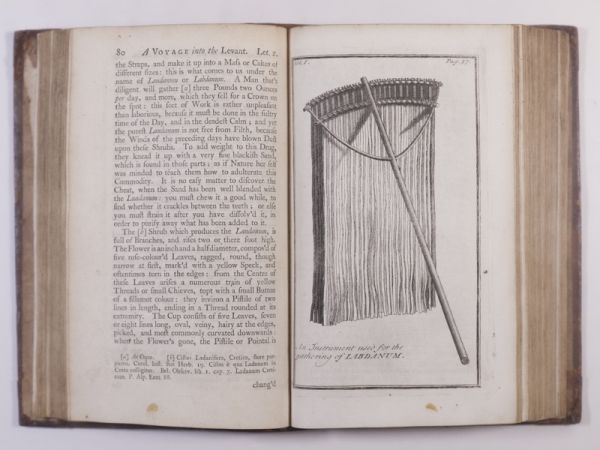
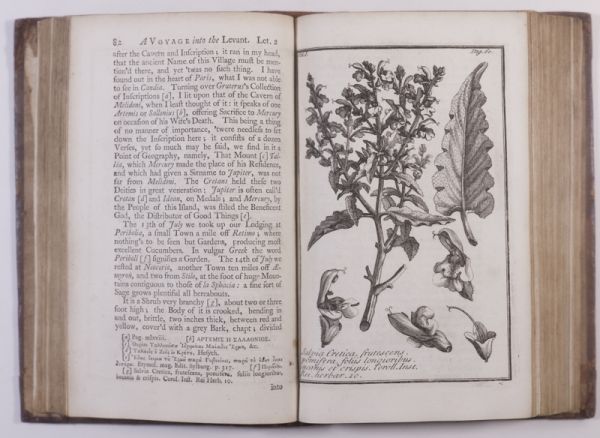
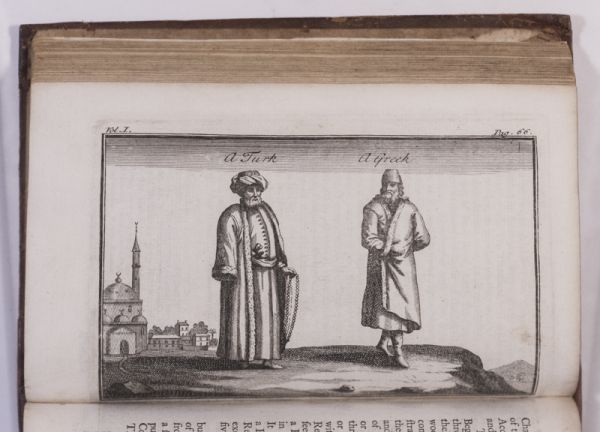
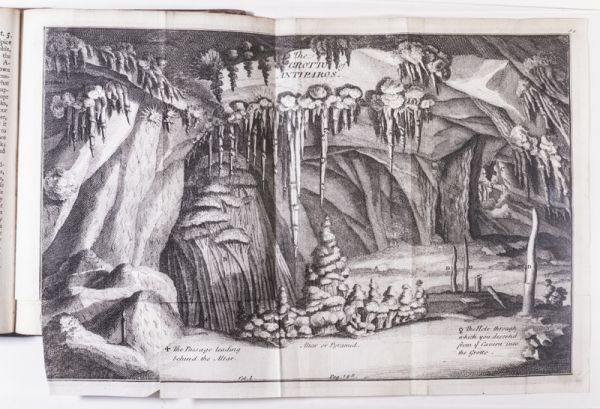
A Voyage into the Levant
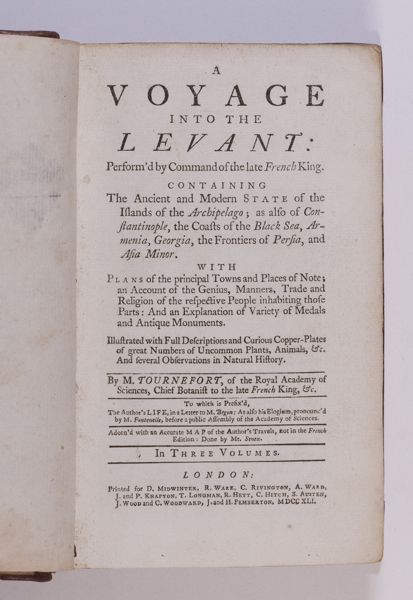
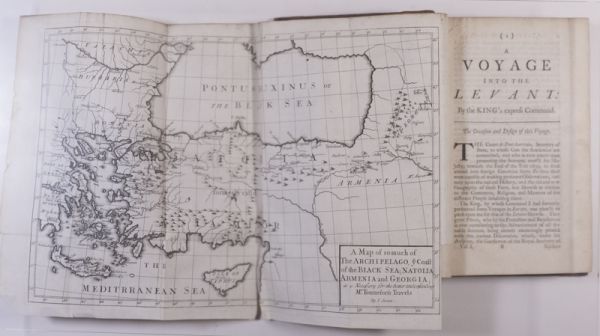
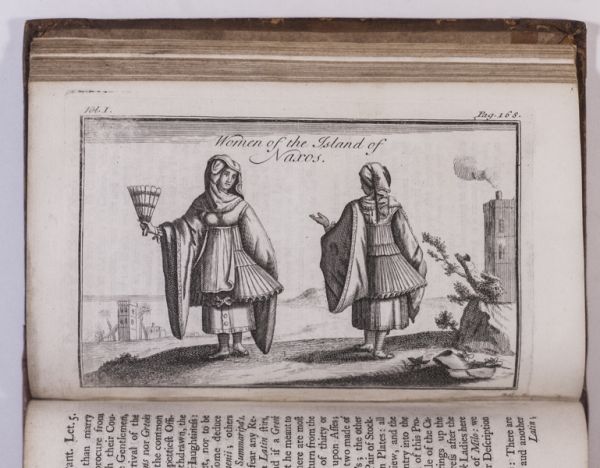
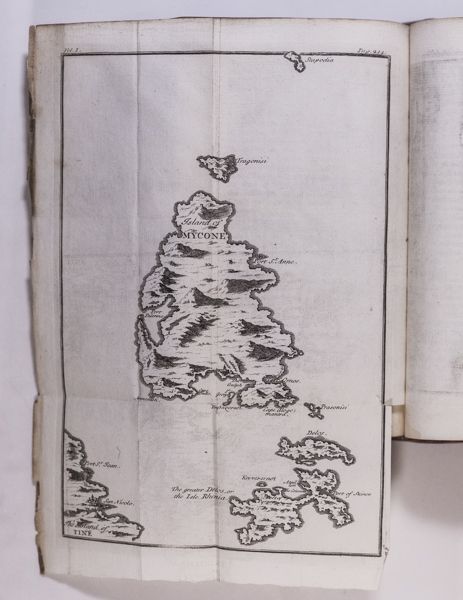
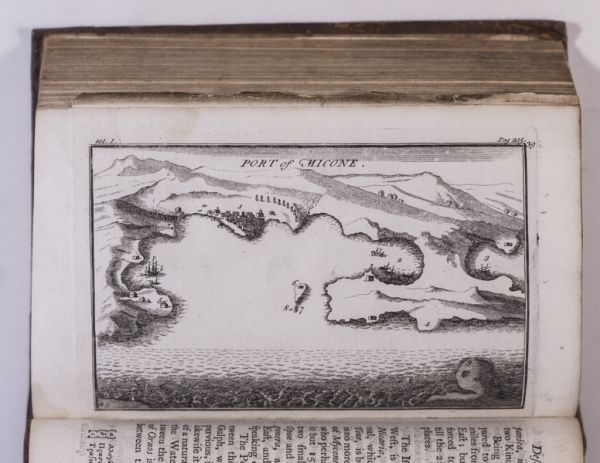
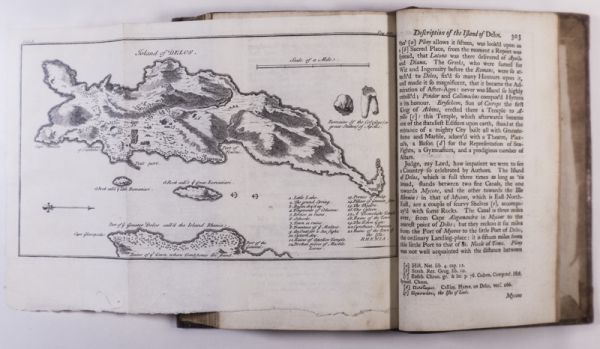
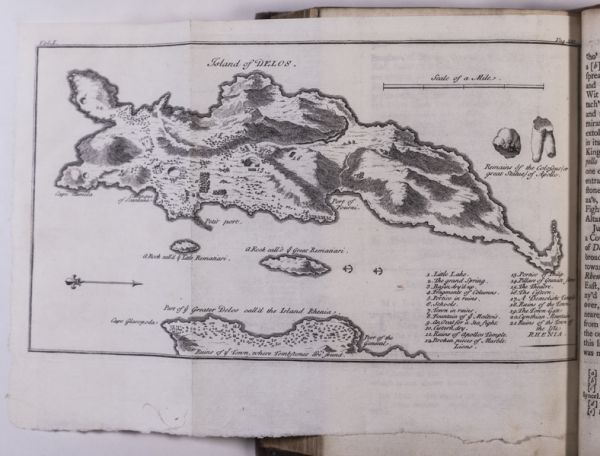
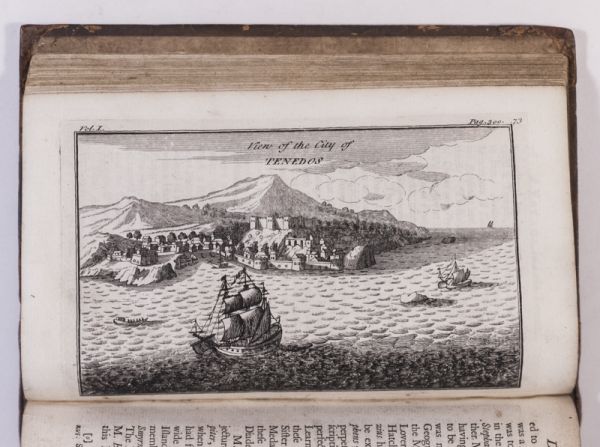
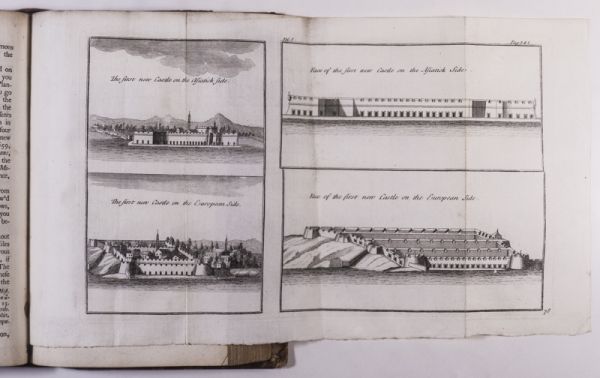
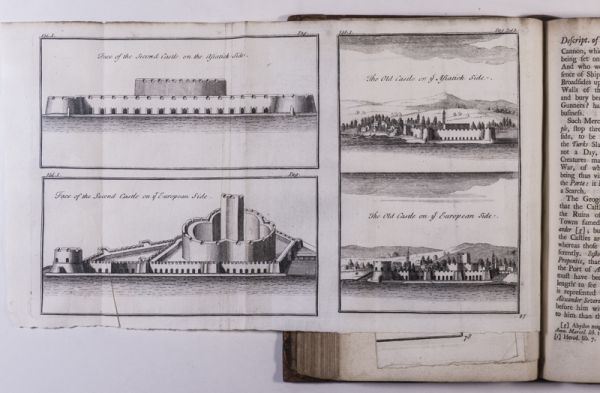
Perform’d by Command of the Late French King. Containing the Ancient and Modern State of the Islands of the Archipelago; as Also of Constantinople, the Coasts of the Black Sea, Armenia, Georgia, The Frontiers of Persia and Asia in Minor. With Plans of the Principal Towns and Places of Note; an Account of the Genius, Manners, Trade and Religion of the Respective People Inhabiting Those Parts: and an Explanation of Variety of Medals and Antique Monuments. In Three Volumes
By Tournefort, M., of the Royal Academy of Sciences, Chief Botanist to the late French King, &c.
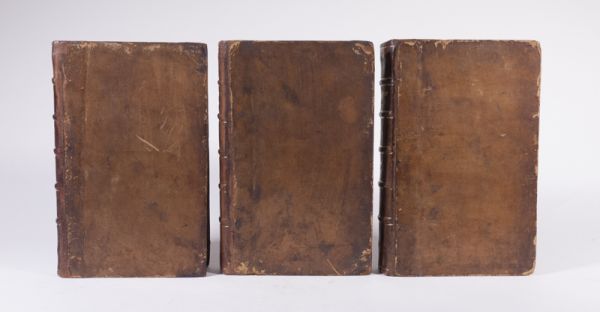
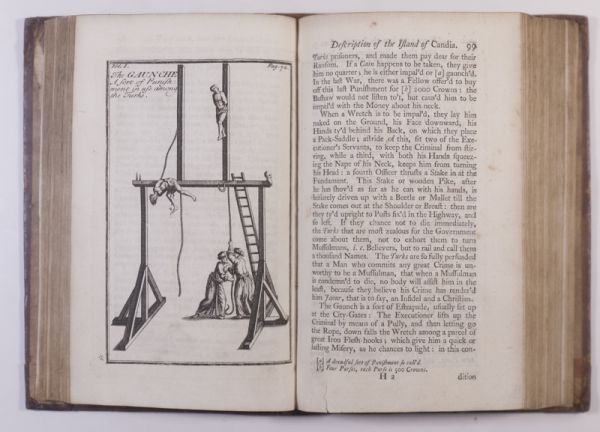
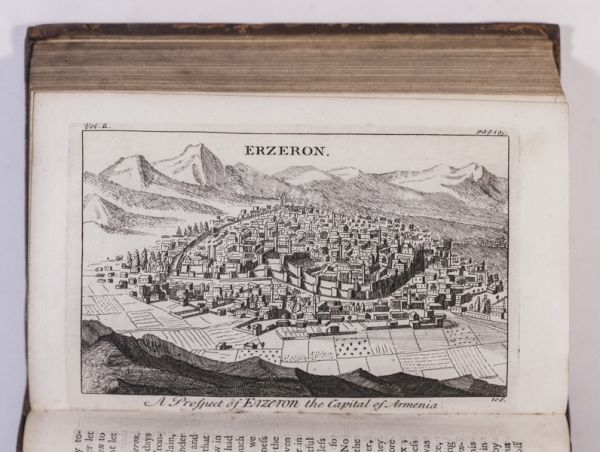
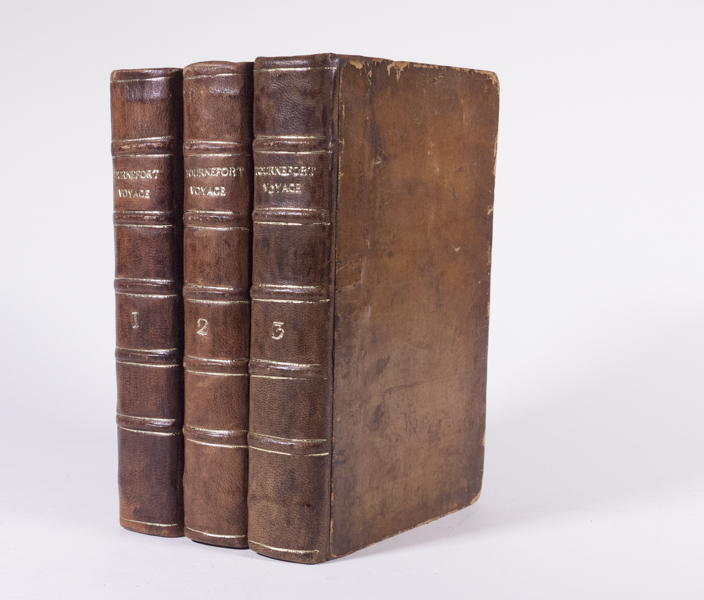
London: Published by D. Midwinter, R. Ware, C. Rivington, A. Ward, J. and P. Knapton, T. Longman, R. Hett, C. Hitch, S. Austen, J. Wood, C. Woodward, J. and H. Pemberton, 1741. Second English Edition. 8vo – 20.5 cm. [xlix] 335, 390 & 364 pages, with An Alphabetical Table for the Principal Matters in the Three Volumes at the rear of Volume III – 41 unnumbered pages; 152 engraved and numbered plates and maps – 7 fold-outs. The uniform volumes in full half-calf, original boards with older new calf spines added at some point — five raised bands with bright gilt ruling and titles. Bindings tender, internally pages are crisp and clean with mild age toning but little to no foxing, paper with pleasing tactile and acoustical quality. — a remarkably clean and complete set in Near Fine condition. —Atabey 961; Blackmer 1318. Rare.
(Joseph Pitton de) Tournefort was a French botanist, notable as the first to make a clear definition of the concept of genus for plants. The botanist Charles Plumier had been his pupil and accompanied him on his voyages. Tournefort travelled through Western Europe, particularly the Pyrenees, where he made extensive collections. He travelled through the islands of Greece and visited Constantinople, the borders of the Black Sea, Armenia, and Georgia, collecting plants and undertaking various types of observations. He was accompanied by the German botanist Andreas Gundelsheimer and the artist Claude Aubriet. His description of these journies were published posthumously as “Relation d’un voyage du Levant”. Tournefort was killed by a carriage in Paris; the road on which he died now bears his name, “Rue de Tournefort”. His principal work was the 1694 “Elements de botanique, ou Methode pour reconnaitre les Plantes” (the Latin translation of it “Institutiones rei herbariae” was published twice in 1700 and 1719).
$1800.00 -


